




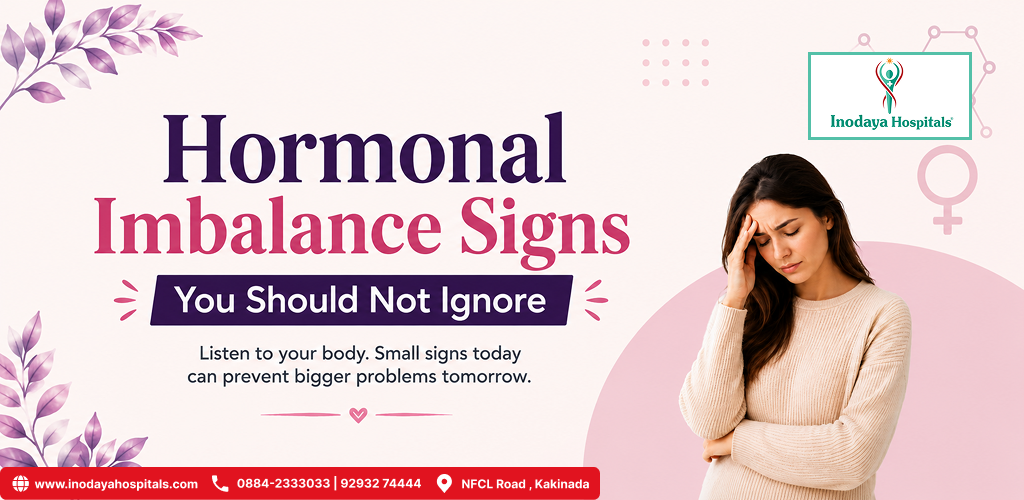
Hormones play a vital role in regulating various body functions, including metabolism, mood, sleep, growth, and reproductive health. When hormone levels become too high or too low, they can disrupt the body’s natural balance and affect overall well-being. Recognizing hormonal imbalance signs early can help with timely diagnosis, effective treatment, and better long-term health outcomes.
What Is Hormonal Imbalance?
Hormonal imbalance occurs when there is an excess or deficiency of one or more hormones in the bloodstream. Since hormones act as chemical messengers that control many essential bodily functions, even small fluctuations can lead to noticeable symptoms and health concerns. Hormonal imbalances can affect people of all ages and may be temporary or related to an underlying medical condition. Identifying the cause is important for effective management and treatment.
Common Hormonal Imbalance Signs You Should Not Ignore
Hormonal changes can present themselves in different ways depending on the individual and the affected hormone. Some of the most common hormonal imbalance signs include:
Irregular Menstrual Cycles
Irregular periods are among the most common signs of hormonal imbalance in women. Missed periods, delayed cycles, unusually heavy bleeding, or frequent menstrual changes may indicate underlying hormonal issues such as Polycystic Ovary Syndrome (PCOS) or thyroid disorders.
Unexplained Weight Gain or Difficulty Losing Weight
Sudden weight gain or challenges in losing weight despite maintaining a healthy lifestyle may be linked to hormonal imbalances. Conditions affecting the thyroid gland, insulin levels, or reproductive hormones can influence metabolism and body weight.
Persistent Fatigue and Low Energy Levels
Feeling constantly tired even after adequate sleep may be a sign of hormone-related issues. Hormonal imbalances can interfere with energy production, sleep quality, and metabolic functions, leading to ongoing fatigue.
Skin Problems and Excessive Hair Fall
Changes in hormone levels can impact skin and hair health. Persistent acne, dry skin, increased facial hair growth, or excessive hair loss may indicate an underlying hormonal imbalance that requires medical evaluation.
Mood Swings and Sleep Disturbances
Hormones significantly influence emotional well-being and sleep patterns. Frequent mood changes, anxiety, irritability, depression, or difficulty sleeping can sometimes be associated with hormonal fluctuations. Recognizing these hormonal imbalance signs early can help individuals seek appropriate medical care before symptoms worsen.
Common Causes of Hormonal Imbalance
Several factors can contribute to hormonal imbalances, including:
- Chronic stress
- Poor dietary habits
- Lack of physical activity
- Inadequate sleep
- Thyroid disorders
- Polycystic Ovary Syndrome (PCOS)
- Diabetes and insulin resistance
- Menopause and aging-related hormonal changes
- Certain medications
- Environmental and lifestyle factors
Understanding the underlying cause is essential for developing an effective treatment plan.
When Should You Consult a Doctor?
If hormonal imbalance signs persist, worsen over time, or begin affecting your daily activities, it is important to seek professional medical advice. Early diagnosis can help prevent complications and improve treatment outcomes. Symptoms such as severe fatigue, significant weight changes, irregular menstrual cycles, persistent acne, excessive hair loss, or unexplained mood changes should not be ignored. Choosing reliable hospitals in Kakinada ensures access to experienced specialists, advanced diagnostic facilities, and personalized treatment plans.
Treatment and Management of Hormonal Imbalance
Treatment for hormonal imbalance depends on the underlying cause and severity of symptoms. Common treatment approaches include:
- Lifestyle modifications
- Balanced nutrition and regular exercise
- Stress management techniques
- Hormone replacement therapy when necessary
- Medications for specific hormonal disorders
- Regular health monitoring and follow-up consultations
With proper medical guidance and consistent care, most hormonal imbalances can be effectively managed, helping patients maintain a healthier and more active lifestyle.
Expert Hormonal Care at Inodaya Hospitals, Kakinada
At Inodaya Hospitals in Kakinada, patients receive comprehensive care for hormonal disorders and women’s health concerns. Recognized among trusted hospitals in Kakinada, the hospital offers advanced diagnostic services, experienced specialists, and individualized treatment plans tailored to each patient’s needs. The multidisciplinary team focuses on accurate diagnosis, effective treatment, and long-term wellness, ensuring patients receive the highest standard of care throughout their healthcare journey.
Conclusion
Hormonal imbalances can affect various aspects of physical and emotional health. Understanding hormonal imbalance signs and seeking timely medical attention can help prevent complications and improve overall quality of life. If you are experiencing symptoms that may indicate a hormonal imbalance, consulting experienced healthcare professionals can help you receive the right diagnosis and treatment at the right time.