

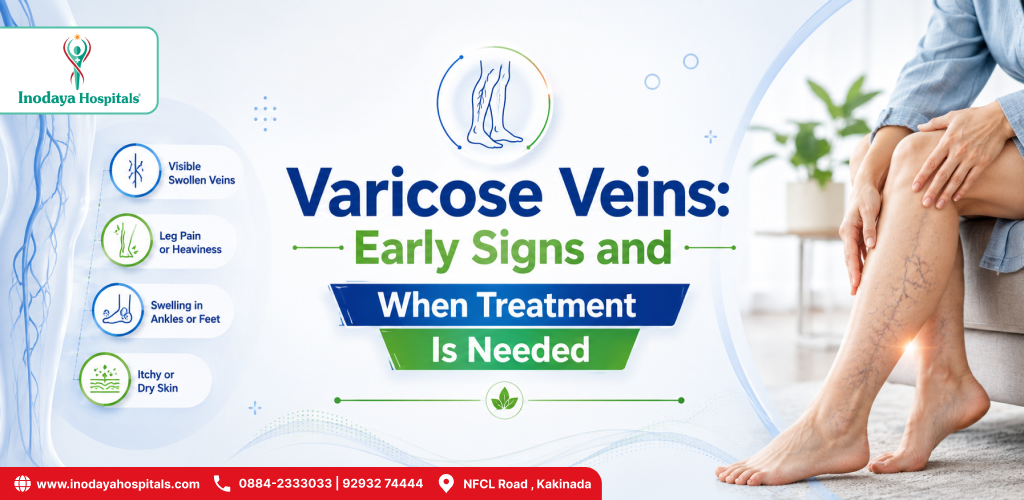
Varicose veins are enlarged, twisted veins that most commonly develop in the legs. They may initially appear to be a cosmetic concern, but some people experience pain, swelling, heaviness, itching, or skin changes. Recognizing the early signs of varicose veins can help you understand when lifestyle changes may be sufficient and when medical evaluation or treatment may be necessary.
What Are Varicose Veins?
Veins carry blood back toward the heart. Small valves inside the veins help keep blood flowing in the correct direction. When these valves become weak or do not function properly, blood can collect inside the veins. This increased pressure can cause veins to become enlarged, twisted, and visible beneath the skin. These are known as varicose veins.
Early Signs of Varicose Veins
Varicose veins can develop gradually. Common early symptoms include:
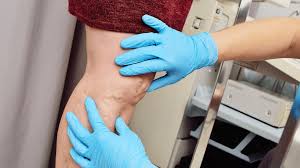
- Enlarged or twisted veins visible beneath the skin
- Aching or heaviness in the legs
- Swelling around the ankles
- Burning or throbbing sensations
- Itching around affected veins
- Leg discomfort after prolonged standing
- Muscle cramps, particularly at night
What Causes Varicose Veins?
Several factors can increase the risk of developing varicose veins.
These include:
- Increasing age
- Family history
- Pregnancy
- Being overweight
- Standing or sitting for long periods
- Limited physical activity
- Previous problems affecting the veins
Not everyone with these risk factors will develop varicose veins.
When Do Varicose Veins Need Treatment?
Not every varicose vein requires immediate treatment. If the veins do not cause symptoms or complications, your doctor may recommend monitoring and lifestyle measures.
However, medical evaluation is important if you experience:
- Persistent leg pain
- Significant swelling
- Skin discoloration
- Skin ulcers or sores
- Bleeding from a varicose vein
- Recurrent inflammation
- Symptoms that interfere with daily activities
Sudden swelling or pain in one leg, especially when accompanied by breathing difficulty or chest pain, requires urgent medical evaluation.
How Are Varicose Veins Diagnosed?
A healthcare professional may examine the affected area and ask about your symptoms and medical history. A Doppler ultrasound may be recommended to assess blood flow through the veins and identify problems with the valves or circulation. Early diagnosis can help determine whether monitoring, lifestyle changes, or treatment is appropriate.
Varicose Veins Treatment Options
The appropriate varicose veins treatment depends on the severity of symptoms and the condition of the affected veins.
Lifestyle Changes
Regular walking, maintaining a healthy weight, avoiding prolonged standing or sitting, and elevating the legs when resting may help improve circulation.
Compression Therapy
Compression stockings may help improve blood flow and reduce swelling or discomfort in some patients.
Minimally Invasive Procedures
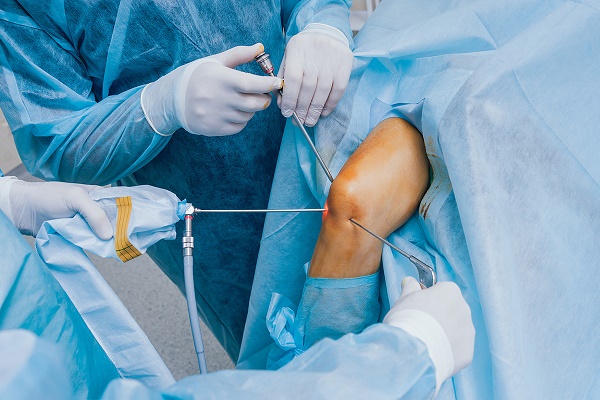
If symptoms persist or complications develop, doctors may recommend minimally invasive procedures designed to treat or close affected veins. The most appropriate procedure depends on the patient’s individual condition.
Surgical Treatment
In certain advanced cases, surgical treatment may be considered when other treatment approaches are not suitable or effective.
Tips to Support Healthy Veins
You can support healthy circulation by:
- Staying physically active.
- Maintaining a healthy weight.
- Taking regular walking breaks.
- Avoiding sitting or standing in one position for long periods.
- Elevating your legs while resting.
- Following medical advice regarding compression stockings.
Why Early Treatment Matters
Ignoring persistent symptoms may allow vein-related problems to progress. Early evaluation can help identify the severity of the condition and determine whether treatment is necessary. If you notice persistent leg swelling, pain, skin changes, or other early signs of varicose veins, consult a healthcare professional for evaluation. Patients looking for comprehensive vascular care can consult a multispecialty hospital in Kakinada for appropriate diagnosis and treatment.
Conclusion
Varicose veins may begin with visible enlarged veins, leg heaviness, swelling, or mild discomfort. Although they are not always serious, persistent symptoms or changes in the skin should not be ignored. Early medical evaluation can help determine whether lifestyle changes, monitoring, or varicose veins treatment is appropriate. For professional evaluation and personalized care, consult a vascular specialist in Kakinada if you experience persistent or worsening symptoms.