




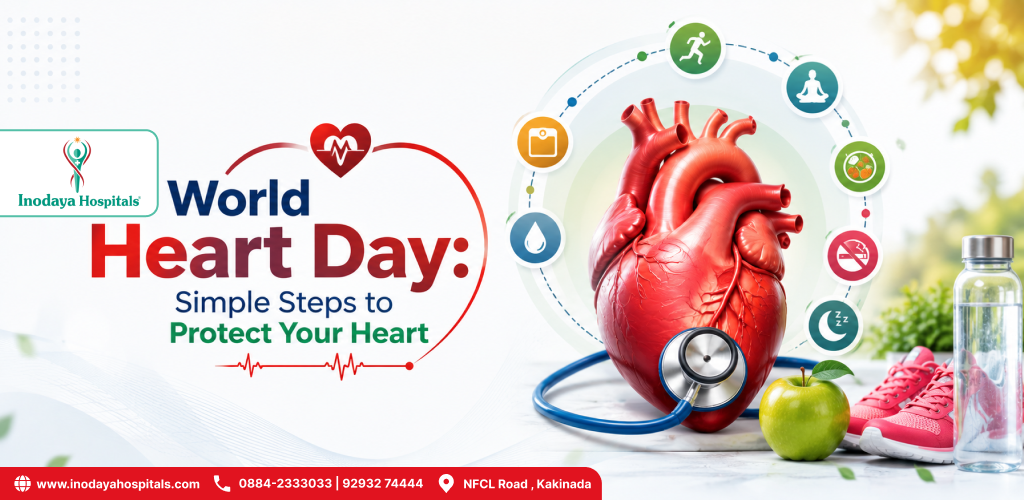
The heart continuously works to supply blood and oxygen to every part of the body. Maintaining good heart health is essential for a healthy and active life. However, unhealthy eating habits, physical inactivity, smoking, stress, obesity, high blood pressure, diabetes, and high cholesterol can increase the risk of cardiovascular problems. World Heart Day is an opportunity to focus on cardiovascular health and encourage simple lifestyle changes that can help protect your heart.
Why Is Heart Health Important?
The cardiovascular system plays an important role in transporting oxygen and nutrients throughout the body. Some heart and blood vessel conditions can develop gradually without obvious symptoms during the early stages. Regular health checks and healthy lifestyle habits can help identify and manage important risk factors.
Simple Steps to Protect Your Heart
1. Eat a Heart-Healthy Diet
Choose a balanced diet that includes vegetables, fruits, whole grains, pulses, and other nutritious foods. Limit foods that are high in saturated fats, trans fats, excess salt, and added sugars.
2. Stay Physically Active
Regular physical activity supports cardiovascular fitness and helps maintain a healthy weight. Walking, cycling, swimming, or other suitable activities can be included in your daily routine.
3. Maintain a Healthy Weight
Being overweight or obese can increase the risk of high blood pressure, diabetes, and cardiovascular disease. A balanced diet and regular physical activity can support healthy weight management.
4. Monitor Your Blood Pressure
High blood pressure may not cause obvious symptoms but can place additional strain on the heart and blood vessels over time. Regular blood pressure checks can help detect the condition early.
5. Keep Cholesterol Under Control
High cholesterol can contribute to the buildup of fatty deposits inside the arteries and increase cardiovascular risk. Healthy eating, regular exercise, and appropriate medical monitoring can help manage cholesterol levels.
6. Manage Blood Sugar
Diabetes and uncontrolled blood sugar can affect blood vessels and increase the risk of cardiovascular disease.
If you have diabetes, regular monitoring and proper management are important for long-term heart health.
7. Avoid Smoking
Smoking damages blood vessels and significantly increases cardiovascular risk.
Quitting smoking is an important step toward protecting your heart and improving overall health.
8. Manage Stress
Long-term stress may affect healthy lifestyle habits and contribute to cardiovascular risk factors.
Healthy stress-management techniques may include:
- Walking
- Meditation
- Deep breathing
- Yoga
- Hobbies
- Spending time with family and friends
9. Get Enough Sleep
Good-quality sleep is an important part of a healthy lifestyle. Maintaining a regular sleep schedule and getting adequate rest can support overall well-being.
10. Attend Regular Health Checkups
Regular health checkups can help identify risk factors such as high blood pressure, diabetes, high cholesterol, and obesity. If you have a family history of heart disease or other risk factors, speak with your doctor about appropriate health screenings.
Know the Warning Signs of Heart Problems
Do not ignore symptoms such as:
- Chest pain or pressure
- Shortness of breath
- Unusual sweating
- Sudden weakness
- Dizziness or fainting
- Unusual or extreme tiredness
- Pain or discomfort that spreads to the arm, shoulder, back, neck, or jaw
Some heart conditions can become medical emergencies. Sudden or severe symptoms require immediate medical attention.
When Should You Consult a Cardiologist?
If you have persistent chest discomfort, breathlessness, high blood pressure, diabetes, high cholesterol, or a strong family history of heart disease, discuss your cardiovascular risk with a healthcare professional. A cardiologist in Kakinada can evaluate your symptoms and risk factors and recommend appropriate investigations or preventive measures.
How Can You Protect Your Heart Every Day?
Heart health is influenced by everyday choices. You can support your cardiovascular health by:
- Eating a balanced diet.
- Staying physically active.
- Avoiding tobacco.
- Maintaining a healthy weight.
- Monitoring blood pressure and cholesterol.
- Managing diabetes.
- Getting enough sleep.
- Managing stress.
- Attending regular health checkups.
Small and consistent changes can contribute to healthier lifestyle habits over time.
Conclusion
Protecting your heart does not always require major lifestyle changes. Eating a balanced diet, staying active, avoiding smoking, managing stress, maintaining a healthy weight, and monitoring important health conditions can all support better heart health. This World Heart Day, take a step toward a healthier heart by making small and consistent changes to your daily routine. For cardiovascular evaluation, preventive care, and specialist guidance, you can consult a cardiologist in Kakinada at a trusted multispecialty hospital in Kakinada.