

Cholesterol is an essential substance that helps your body build healthy cells and produce hormones. However, when cholesterol levels become too high, it can increase the risk of serious heart conditions. Understanding the connection between high cholesterol and heart disease is important for protecting your cardiovascular health. Early diagnosis, lifestyle changes, and timely treatment can help prevent complications and keep your heart healthy.
What Is High Cholesterol?
Cholesterol is a waxy substance found in your blood. While your body needs some cholesterol to function properly, excessive levels can lead to plaque buildup in the arteries.
There are two main types of cholesterol:
- LDL (Low-Density Lipoprotein): Often called “bad cholesterol” because it contributes to artery blockage.
- HDL (High-Density Lipoprotein): Known as “good cholesterol” as it helps remove excess cholesterol from the bloodstream.
Maintaining a healthy balance is essential to reduce the risk of high cholesterol and heart disease.
How Does High Cholesterol Affect the Heart?
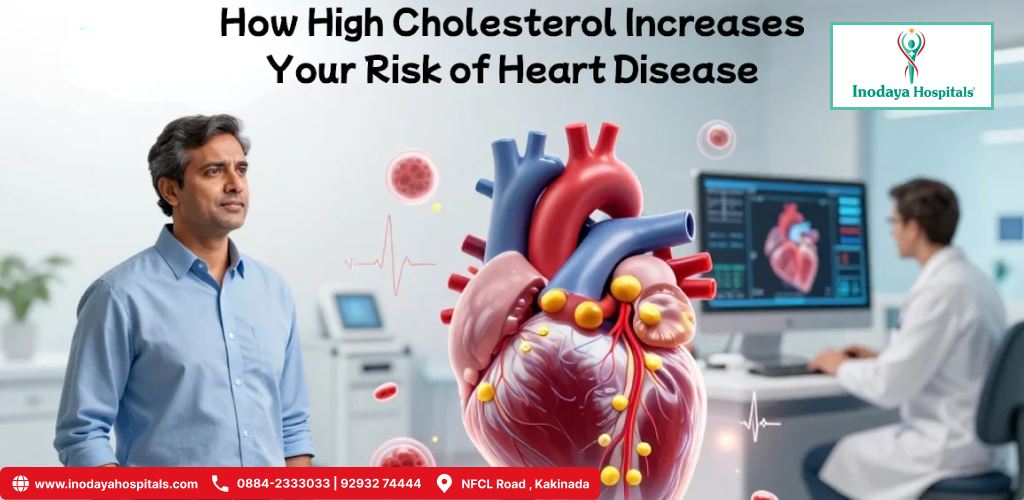
When LDL cholesterol builds up inside the arteries, it forms plaques that narrow and harden the blood vessels. This reduces blood flow to the heart and increases the risk of cardiovascular problems.
Possible complications include:
- Coronary artery disease
- Heart attack
- Stroke
- Poor blood circulation
Managing high cholesterol and heart disease early can help prevent these life-threatening conditions.
Common Risk Factors
Several factors can increase cholesterol levels and affect heart health.
Common risk factors include:
- Unhealthy diet rich in saturated fats
- Lack of physical activity
- Smoking
- Obesity
- Diabetes
- Family history of high cholesterol
- Increasing age
Knowing these risk factors can help you make healthier lifestyle choices.
Warning Signs to Watch For
High cholesterol usually does not cause noticeable symptoms, which is why it is often called a “silent condition.”
You should undergo regular screening if you have:
- A family history of heart disease
- High blood pressure
- Diabetes
- Obesity
- An unhealthy lifestyle
Regular health checkups help detect cholesterol problems before complications develop.
How to Reduce Cholesterol Naturally
Healthy lifestyle habits can significantly improve cholesterol levels and support heart health.
Follow these simple tips:
- Eat more fruits, vegetables, and whole grains
- Reduce saturated and trans fats
- Exercise for at least 30 minutes most days
- Maintain a healthy weight
- Quit smoking
- Limit alcohol consumption
These changes can lower the risk of high cholesterol and heart disease while improving overall well-being.
When Should You Consult a Doctor?
Medical advice is important if cholesterol levels remain high despite lifestyle changes.
Consult a doctor if you:
- Have elevated cholesterol levels on blood tests
- Have a family history of heart disease
- Experience chest pain or shortness of breath
- Have diabetes or high blood pressure
Early diagnosis allows doctors to recommend medications and lifestyle modifications when necessary.
Conclusion
High cholesterol is a major risk factor for cardiovascular disease, but it can be effectively managed with regular screenings, healthy lifestyle choices, and timely medical care. Understanding the relationship between high cholesterol and heart disease helps you take preventive steps before serious complications arise. Protecting your heart today can lead to a healthier and more active future. Contact Inodaya Hospitals today for comprehensive heart health screenings and expert cardiac care.