


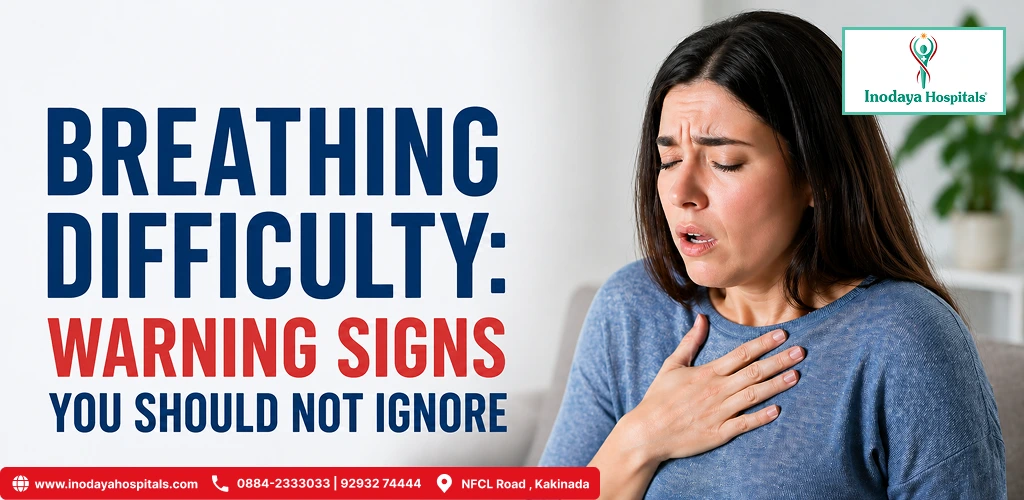
Breathing difficulty is a common yet serious symptom that should never be ignored. It can occur suddenly or develop gradually due to various underlying conditions. While occasional shortness of breath may not always indicate a serious issue, persistent or severe breathing difficulty can be a sign of a medical emergency. Understanding the warning signs and seeking timely care is essential to protect your health.
What Is Breathing Difficulty?
Breathing difficulty refers to discomfort or trouble while breathing. It may feel like you are not getting enough air or experiencing tightness in the chest.
Common experiences include:
- Shortness of breath
- Rapid or shallow breathing
- Chest tightness
- Difficulty taking deep breaths
Recognizing early breathing difficulty can help in identifying the underlying cause and getting proper treatment.
Common Causes of Breathing Difficulty
There are several reasons why breathing problems may occur.
Some common causes include:
- Asthma
- Chronic obstructive pulmonary disease (COPD)
- Lung infections such as pneumonia
- Allergies or respiratory infections
- Heart-related conditions
- Anxiety or panic attacks
Identifying the cause of breathing difficulty is important for effective treatment.
Warning Signs You Should Not Ignore
Certain symptoms indicate that breathing difficulty may be serious.
Seek medical attention if you experience:
- Sudden or severe breathing difficulty
- Chest pain or pressure
- Bluish lips or fingertips
- High fever with breathing issues
- Wheezing or noisy breathing
- Difficulty speaking due to lack of air
These signs may indicate a serious condition requiring immediate care.
When Should You See a Doctor?
It is important to consult a doctor if symptoms persist or worsen.
Visit a healthcare professional if:
- Breathing problems occur frequently
- Symptoms interfere with daily activities
- You have a history of lung or heart disease
- There is no improvement with basic remedies
Early diagnosis helps prevent complications related to breathing difficulty.
Diagnosis and Tests
Doctors may recommend tests to identify the cause.
Common tests include:
- Chest X-ray
- Lung function tests
- Blood tests
- Pulse oximetry (oxygen level check)
- CT scan if required
Proper diagnosis helps determine the severity of breathing difficulty and guides treatment.
Treatment Options for Breathing Difficulty
Treatment depends on the underlying cause.
Doctors may suggest:
- Medications such as bronchodilators or antibiotics
- Oxygen therapy in severe cases
- Lifestyle changes and breathing exercises
- Allergy management
- Treatment for heart or lung conditions
Timely treatment can help manage breathing difficulty effectively and improve quality of life.
Prevention Tips
Preventive care can reduce the risk of breathing problems.
Follow these tips:
- Avoid smoking and air pollution
- Maintain good indoor air quality
- Stay physically active
- Manage allergies properly
- Get regular health checkups
These steps can help reduce the chances of developing breathing difficulty.
Conclusion
Breathing difficulty can range from mild discomfort to a serious medical emergency. Ignoring warning signs can lead to severe complications. Being aware of symptoms and seeking timely medical help can make a significant difference. At Inodaya Hospitals, our experienced specialists provide advanced care for respiratory conditions and help patients manage breathing problems effectively.
Contact Us
If you are experiencing persistent or severe breathing difficulty, do not delay seeking medical care. Contact Inodaya Hospitals today to consult our specialists and receive the right treatment.
Take a step toward better respiratory health and a safer future.