


Gallstones are hardened deposits that can develop inside the gallbladder. Some people may have gallstones without experiencing any symptoms, while others can develop sudden abdominal pain, nausea, vomiting, or digestive discomfort. Understanding the common gallstones symptoms can help you recognize when medical evaluation may be necessary. Persistent or severe abdominal symptoms should not be ignored.
What Are Gallstones?
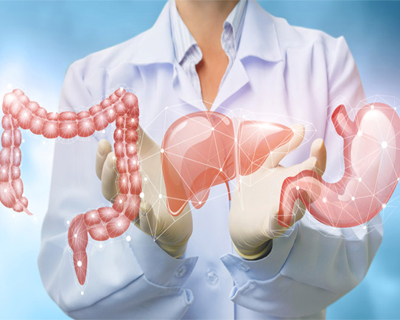
The gallbladder is a small organ located beneath the liver. It stores bile, a digestive fluid that helps the body digest fats. Gallstones can form when substances in bile, such as cholesterol or bilirubin, become imbalanced and harden into stone-like deposits. A person may have one gallstone or several stones, and their size can vary.
Common Gallstones Symptoms
1. Sudden Abdominal Pain
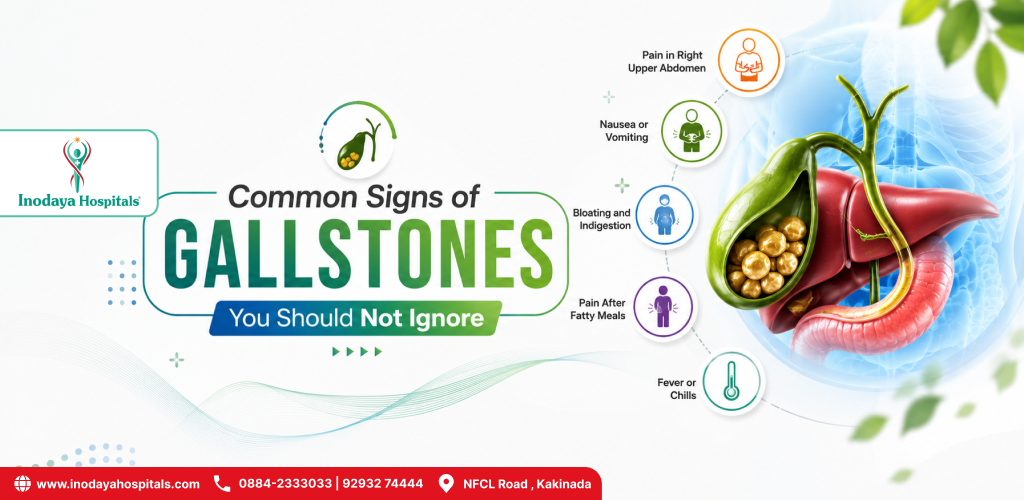
One of the most common gallstones symptoms is sudden pain in the upper right or upper middle part of the abdomen. The pain may become intense and can sometimes occur after eating a heavy or fatty meal.
2. Pain That Spreads to the Back or Shoulder
Gallstone-related pain may sometimes spread from the upper abdomen toward the back or right shoulder. The discomfort may last from several minutes to a few hours.
3. Nausea and Vomiting
Gallstones may cause nausea or vomiting, particularly when abdominal pain occurs. Persistent vomiting along with severe abdominal pain should be medically evaluated.
4. Bloating and Indigestion
Some people may experience bloating, gas, or indigestion. However, these symptoms can have many different causes and do not necessarily mean that gallstones are present.
5. Discomfort After Fatty Meals
Some people notice recurring abdominal discomfort after eating foods high in fat. If this happens frequently, medical evaluation may help identify the underlying cause.
Warning Signs You Should Not Ignore
Seek medical attention if you experience severe or persistent abdominal pain, particularly when accompanied by:
- Fever or chills
- Yellowing of the skin or eyes
- Persistent vomiting
- Dark urine
- Pale-colored stools
- Severe abdominal tenderness
These symptoms may indicate complications involving the gallbladder or bile ducts and require prompt medical evaluation.
What Causes Gallstones?
Several factors may increase the risk of developing gallstones, including:
- Being overweight or obese
- Rapid weight loss
- A diet high in unhealthy fats
- Increasing age
- Family history
- Certain medical conditions
- Certain hormonal factors
However, gallstones can also occur in people without obvious risk factors.
How Are Gallstones Diagnosed?
A doctor may evaluate your symptoms, medical history, and physical examination findings. An abdominal ultrasound is commonly used to identify gallstones. Blood tests may also be recommended to look for signs of infection, inflammation, or problems involving the liver and bile ducts.
Gallstones Treatment Options
Treatment depends on whether gallstones are causing symptoms or complications.
Gallstones Without Symptoms
If gallstones are discovered incidentally and do not cause symptoms, treatment may not always be necessary. Your doctor may recommend monitoring depending on your individual circumstances.
Symptomatic Gallstones
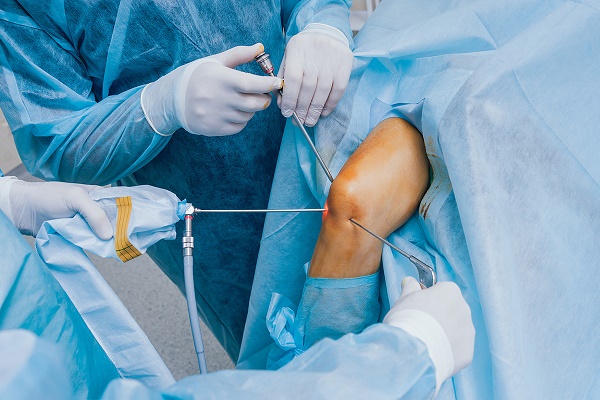
When gallstones repeatedly cause pain or complications, treatment may be recommended. In suitable patients, surgery to remove the gallbladder, known as cholecystectomy, may be considered. Minimally invasive laparoscopic approaches may be used depending on the patient’s condition and the surgeon’s assessment.
Can Gallstones Be Prevented?
Not every case of gallstones can be prevented, but healthy lifestyle habits may help reduce certain risk factors.
You can support better digestive health by:
- Maintaining a healthy weight.
- Avoiding rapid weight-loss diets.
- Eating a balanced diet.
- Including adequate fiber in your diet.
- Limiting foods high in unhealthy fats.
- Staying physically active.
- Following your doctor’s advice if you have conditions that increase your risk.
When Should You See a Gastroenterologist?
Recurring abdominal pain, digestive discomfort, or other gallstones symptoms should be evaluated by a healthcare professional. A gastroenterologist in Kakinada can assess your symptoms and recommend appropriate diagnostic tests and treatment based on the underlying cause. Timely evaluation can help identify gallstones and reduce the risk of complications.
Why Timely Treatment Matters
Gallstones do not always cause problems, but stones that block the bile ducts can lead to complications affecting the gallbladder, bile ducts, or pancreas.
Seeking medical attention when warning signs appear can help ensure timely diagnosis and treatment. For comprehensive evaluation and management of gallbladder and digestive conditions, patients can consult a gastroenterology hospital in Kakinada.
Conclusion
Gallstones may not always cause symptoms, but recurring abdominal pain, nausea, vomiting, or other warning signs should not be ignored. Understanding gallstones symptoms can help you recognize when professional medical evaluation may be needed. If you experience persistent or severe abdominal pain, consult a gastroenterologist in Kakinada for proper diagnosis and timely treatment.