

A brain stroke is a medical emergency that requires immediate attention. It occurs when the blood supply to a part of the brain is blocked or when a blood vessel in the brain bursts. Without oxygen and nutrients, brain cells begin to die within minutes. Recognizing the symptoms early and acting quickly can save a life and reduce long-term complications. If you are searching for timely and effective brain stroke treatment in Kakinada, knowing the warning signs is the first crucial step.
What is a Brain Stroke?
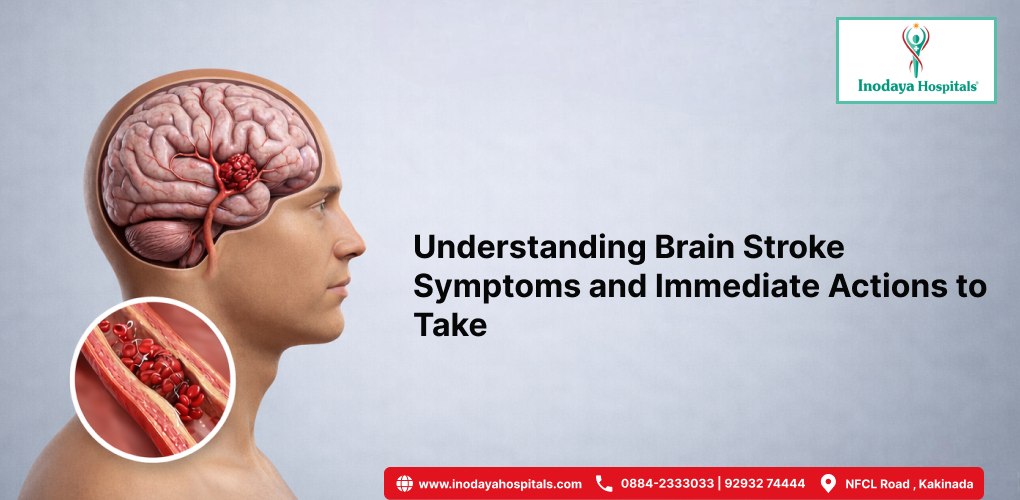
A brain stroke happens when normal blood flow to the brain is interrupted. There are two main types:
- Ischemic Stroke: Caused by a blockage in a blood vessel supplying the brain.
- Hemorrhagic Stroke: Caused by bleeding in or around the brain due to a ruptured vessel.
Both types require urgent medical care to prevent severe brain damage.
Common Brain Stroke Symptoms
Stroke symptoms often appear suddenly. The most common warning signs include:
- Sudden numbness or weakness in the face, arm, or leg (especially on one side of the body)
- Facial drooping
- Slurred or difficulty speaking
- Sudden confusion
- Loss of balance or coordination
- Severe headache with no known cause
- Blurred or loss of vision
These symptoms should never be ignored. Immediate hospital care is essential for successful brain stroke treatment in Kakinada.
Remember the FAST Rule
Doctors recommend the FAST method to identify stroke quickly:
- F – Face Drooping: Ask the person to smile. Does one side droop?
- A – Arm Weakness: Ask them to raise both arms. Does one drift downward?
- S – Speech Difficulty: Is speech slurred or strange?
- T – Time to Act: Call emergency medical services immediately.
Acting within the “golden hour� greatly improves recovery outcomes.
Risk Factors for Brain Stroke
Certain conditions increase stroke risk:
- High blood pressure
- Diabetes
- High cholesterol
- Smoking
- Obesity
- Heart disease
- Lack of physical activity
- Family history of stroke
Managing these conditions reduces the chances of stroke and supports better overall health.
Immediate Actions to Take During a Stroke
If you suspect a stroke:
- Do not delay — seek emergency medical help immediately.
- Keep the patient calm and lying down safely.
- Do not give food, water, or medication unless advised by a doctor.
- Note the time when symptoms started — this helps doctors decide the best treatment.
Quick response ensures better success in brain stroke treatment in Kakinada and minimizes long-term damage.
Importance of Early Diagnosis and Treatment
Modern stroke management includes:
- Emergency brain imaging (CT or MRI scan)
- Clot-dissolving medications (for ischemic stroke)
- Blood pressure control
- Surgical intervention if required
- Intensive monitoring and rehabilitation
Early diagnosis significantly improves survival rates and reduces disability.
Stroke Prevention Tips
Prevention is always better than cure. You can lower your risk by:
- Monitoring blood pressure regularly
- Controlling diabetes and cholesterol
- Maintaining a healthy weight
- Eating a balanced diet
- Exercising at least 30 minutes daily
- Avoiding smoking and excessive alcohol
Regular health checkups help detect risk factors early and prevent complications.
Conclusion
A brain stroke can happen suddenly, but recognizing the symptoms and taking immediate action can save a life. Timely medical care reduces brain damage and improves recovery chances. Understanding the warning signs and responding quickly is essential for everyone.
At Inodaya Hospitals, Kakinada, our expert neurology and emergency care team provides advanced and timely brain stroke treatment in Kakinada with comprehensive diagnostic and rehabilitation support.
If you notice any stroke symptoms, do not wait. Contact us immediately for emergency stroke care and expert guidance.