






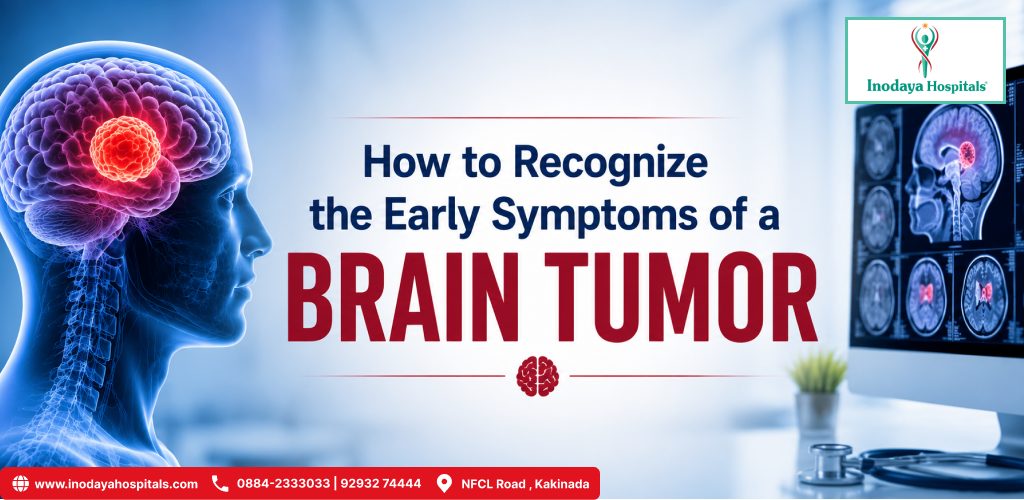
A brain tumor is an abnormal growth of cells in or around the brain. While not all brain tumors are cancerous, they can affect the normal functioning of the brain if left untreated. Recognizing brain tumor symptoms at an early stage is important because timely diagnosis and treatment can improve outcomes and reduce complications. Understanding the warning signs can help you seek medical attention before the condition becomes more serious.
What Is a Brain Tumor?
A brain tumor develops when abnormal cells grow uncontrollably within the brain or nearby tissues. Brain tumors may be benign (non-cancerous) or malignant (cancerous), but both types require medical evaluation.
Common types of brain tumors include:
- Benign brain tumors
- Malignant brain tumors
- Primary brain tumors
- Secondary (metastatic) brain tumors
Early recognition of brain tumor symptoms can help doctors diagnose the condition before it progresses.
Common Brain Tumor Symptoms
The symptoms of a brain tumor vary depending on its size and location.
Some of the most common brain tumor symptoms include:
- Persistent headaches, especially in the morning
- Nausea or vomiting without an obvious cause
- Blurred or double vision
- Difficulty with balance or coordination
- Seizures
- Weakness or numbness in the arms or legs
- Difficulty speaking or understanding speech
- Memory problems or confusion
If these brain tumor symptoms persist or worsen, it is important to consult a healthcare professional promptly.
What Causes a Brain Tumor?
The exact cause of most brain tumors is not always known. However, certain factors may increase the risk.
Possible risk factors include:
- Family history of brain tumors
- Exposure to radiation
- Genetic disorders
- Increasing age
- Previous history of certain cancers
Although these factors may increase risk, anyone experiencing brain tumor symptoms should seek medical evaluation regardless of their medical history.
When Should You See a Doctor?
Early medical attention can make a significant difference in treatment outcomes.
Consult a doctor if you experience:
- Frequent or severe headaches
- Sudden vision changes
- Unexplained seizures
- Difficulty walking or maintaining balance
- Persistent weakness or numbness
- Changes in memory or personality
Ignoring these warning signs may delay diagnosis and treatment.
How Is a Brain Tumor Diagnosed?
Doctors use advanced diagnostic tests to determine the presence and type of brain tumor.
Common diagnostic methods include:
- Neurological examination
- MRI scan
- CT scan
- Biopsy (if required)
- Blood tests to assess overall health
Early diagnosis helps specialists develop an effective treatment plan.
Treatment Options for Brain Tumors
Treatment depends on the type, size, and location of the tumor.
Common treatment options include:
- Surgery to remove the tumor
- Radiation therapy
- Chemotherapy
- Targeted therapy
- Regular monitoring for small benign tumors
Modern treatment approaches can help improve recovery and quality of life for many patients.
Conclusion
Recognizing brain tumor symptoms early is essential for timely diagnosis and effective treatment. While many symptoms may also be caused by less serious conditions, persistent headaches, seizures, vision changes, or neurological problems should never be ignored. Early medical evaluation can help identify the cause and improve treatment outcomes. Staying aware of the warning signs is one of the best ways to protect your brain health. Contact Inodaya Hospitals today for expert neurological consultation and advanced diagnostic care.